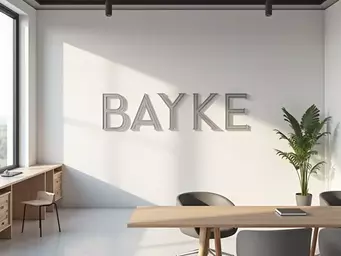
Aluminum
Affordable, lightweight, and rust-resistant. Great for long-term use.
Choosing the right signage materials is more than just an aesthetic decision—it's a vital investment in your brand's identity. High-quality office signage can enhance visibility, convey professionalism, and leave a lasting impression on clients and visitors. With insights from industry experts, we can explore how to balance durability, style, and sustainability in your signage choices.
This section highlights the key attributes of various office signage materials, focusing on price, durability, and style. For businesses looking to make a strong first impression, understanding these materials is crucial for boosting office visibility with signs.
Affordable, lightweight, and rust-resistant. Great for long-term use.
Moderately priced, provides a modern look, and offers variety in colors and finishes.
Higher initial investment, but exceptional durability and elegance.
Very budget-friendly, ideal for temporary signage but less durable.
When it comes to office signage, choosing the right materials is essential for achieving both durability and style. Your signage acts as a visual representation of your brand, making it a critical factor in how clients and visitors perceive your business. Not only should it grab attention, but it also needs to withstand the test of time and environmental conditions. This balance of form and function is where understanding the materials can make a significant difference.
At Commercial Signage Solutions, I’ve seen firsthand how effective signage can enhance a brand's visibility. Think of your office signage as more than just a way to identify your business; it tells a story about who you are and what you stand for. The right signage materials can help convey professionalism, creativity, and reliability, which are vital traits for any local business.
Office signage encompasses various types of signs used within and around corporate environments, from directory signs to reception area displays. Each type serves a unique purpose while contributing to your overall brand identity. Here are a few key roles office signage plays:
By incorporating thoughtful designs and quality materials, your office signage can truly reflect the ethos of your business. Consider how your signage aligns with your *brand message* and what impression it leaves on potential customers! For more insights, explore creative signage ideas for offices.
Finding the right materials for your signage means balancing its durability with its visual appeal. While you want signs that look great, they also need to last through wear and tear. Factors influencing this balance include:
In my experience, opting for high-quality materials not only enhances the look of your signage but also reduces maintenance efforts over time. Ultimately, investing in durable yet stylish signage pays off, making your business stand out for all the right reasons!
Here's a brief recap of the key points discussed so far:
When it comes to investing in office signage, understanding the cost-benefit analysis is crucial. The right signage not only enhances your brand's visibility but also reflects your professionalism. So, let's dive into how different materials can influence your budget while still providing durability and style.
Taking a closer look at the pricing of various signage materials can help you make informed decisions. For example, while materials like stainless steel may have a higher upfront cost, their long lifespan can lead to lower replacement expenses over time. Balancing cost against factors such as durability and aesthetic appeal is essential for achieving the best value.
It's important to analyze not just the cost of materials but how they perform in real-world conditions. Here's a quick comparison of common office signage materials in terms of price, durability, and style:
Understanding these factors can lead to better decisions for your signage needs, allowing you to maximize the return on your investment. After all, at Commercial Signage Solutions, we believe in choosing materials that align with your brand's image and budget, much like businesses carefully selecting shopfront signs for stores.
When selecting signage materials, consider the return on investment (ROI) these signs can provide. Durable signage can enhance your brand’s visibility, attract new customers, and ultimately drive sales. Here are some key points to consider:
Calculating the potential benefits against the initial costs helps you see the bigger picture. Remember, the right signage is an investment in your business's future—something I always emphasize when working with clients at Commercial Signage Solutions!
As we navigate through our choices for office signage, the conversation around sustainability is becoming more vital. Choosing eco-friendly materials is not only beneficial for the environment but can also enhance your brand's reputation. Let's explore how we can make a difference with our signage choices.
By opting for sustainable practices in signage production, we can contribute to a healthier planet while still delivering high-quality products. Here are some eco-friendly materials and practices to consider:
At Commercial Signage Solutions, we are committed to integrating sustainability into our process. We believe that every choice we make not only impacts your business but also the community and environment we live in.
When selecting signage materials, it's essential to consider eco-friendly options that come with credible certifications. Here’s a look at some materials that embrace sustainability:
Choosing materials with certifications not only supports sustainable practices but also provides peace of mind for your branding efforts. This aligns with our mission at Commercial Signage Solutions to empower local businesses through responsible choices!
Considering the recyclability of materials is crucial for long-term sustainability. Here are some key points to reflect on when choosing your signage:
By making informed choices about recyclability, we can significantly reduce our environmental impact. It’s a win-win for both your business and the planet!
Implementing sustainable practices from the start to the end of the signage life cycle is key. Here are some sustainable practices to consider:
By committing to these practices, we can help create a more sustainable future. At Commercial Signage Solutions, we’re excited to support our clients in making these important choices!
Seeing the impact of effective signage materials in real-world applications can be inspiring. Many businesses have successfully enhanced their branding and longevity through thoughtful signage choices. Let's take a look at a few success stories!
By understanding how different materials can work harmoniously in various contexts, we can find the best solutions for your office needs. Here are some notable examples:
These examples demonstrate how the right signage can create a lasting impression, improve functionality, and elevate brand identity. Just imagine how much more your business could shine with the right signage strategy!
Let’s take a closer look at some specific case studies where businesses successfully upgraded their signage materials. Here are a few highlights:
These stories show how the right materials can enhance both the functionality and appeal of office signage, leading to better business outcomes.
Visual examples can truly illustrate the power of quality signage. Here are some effective implementations that stand out:
Incorporating visually appealing signage not only enhances the look of your space but also creates a cohesive brand image. At Commercial Signage Solutions, we are proud to help businesses achieve this with our custom signage solutions!
Effective wayfinding signage is crucial in corporate settings, guiding visitors smoothly throughout the space. Here are some considerations for implementing these signs:
When done right, these signs not only improve navigation but also enhance the overall user experience. Imagine how much easier it could be for your visitors to find their way! For more detailed guidance, consider exploring effective use of sidewalk signs for external wayfinding.
As we delve deeper into the world of signage, it's normal to have some questions. Let’s address common queries about materials to help you feel confident in your decisions. Here are some frequently asked questions:
Addressing these questions helps demystify the process and empowers you to make informed choices for your signage needs. At Commercial Signage Solutions, we are here to support you every step of the way!
Engaging with readers helps foster a deeper understanding of their signage needs. Feel free to reach out with any questions or concerns about material selection! Here are some common topics:
At Commercial Signage Solutions, our goal is to provide personalized support to ensure you make the best choices for your unique business needs.
Staying informed about signage regulations is key to ensuring compliance. Here’s what you need to know:
Understanding these aspects can save you time and avoid potential fines. We’re always here to help you navigate through these regulations at Commercial Signage Solutions!
In conclusion, the right signage materials play a vital role in enhancing your brand's visibility while ensuring durability. By carefully considering your choices, you can strike the right balance between style and functionality.
Evaluating the cost-benefit of various materials, embracing sustainability, and learning from real-world applications will empower you to make informed decisions. Remember, signage is not just about being seen; it's about making a lasting impression!
As you plan your signage strategy, keep in mind that the materials you choose should not only reflect your brand but also withstand the test of time. Think about how each aspect complements your overall company image and goals. For more detailed guidance, consider why choose professional office signage.
At Commercial Signage Solutions, we strive to provide you with high-quality, customized signage solutions that meet your unique needs. Let’s work together to create something exceptional!
Investing in office signage is a critical step for any business. By being informed about the materials, costs, and potential impacts, you can make choices that align with your vision. Let’s elevate your brand together!
Here is a quick recap of the important points discussed in the article:
Miles Kensington is a seasoned signage expert with over 15 years of experience in the commercial signage industry. Passionate about helping local businesses enhance their visibility and branding, Miles combines creativity with technical expertise to deliver custom signage solutions that meet the unique needs of each client. He is dedicated to staying ahead of industry trends and ensuring that each project reflects the professional image that businesses strive to portray.